How to Fish in Ro-BassFishing
Master aim, live underwater follow-cam, hook sets, fights, and lure changes on Lake Seminole.
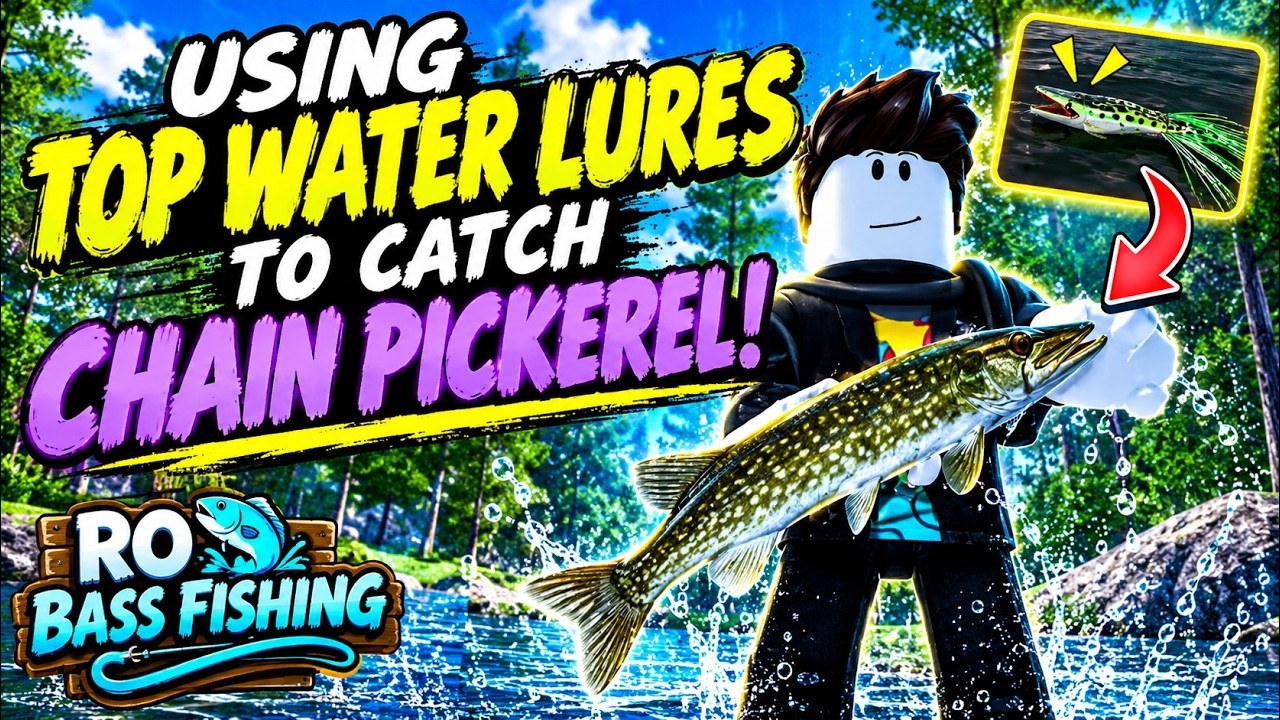
Fishing in Ro-BassFishing is an active loop, not a AFK progress bar. You aim, cast, follow the lure underwater, watch bass chase and strike, set the hook, then reel and fight—with bigger bass fighting harder. This guide deep-dives each step so you stop guessing why fish drop off. Pair it with getting started if you still need the free Earl’s rod, and with best spots when location—not timing—is the problem.
Cast accuracy: aim first, release second
Every good catch begins before the lure leaves the rod. Point at the water you actually want to fish: a pocket along cypress, a lane off a bluff, or open water you can watch clearly. Hold the cast control to tighten accuracy instead of tapping and hoping. Short, deliberate casts beat heroic bombs into unreadable glare. If you are on mobile or controller, practice the hold window in calm water near the Sneads Park ramp fantasy before you boat into timber.
Accuracy also means choosing a cast length you can manage during the fight. Landing a lure past every stump looks cool until a heavy bass turns and you have no angle. Keep early casts inside a comfort radius, then stretch distance as your hook-set timing improves.
Underwater live scope: watch the chase
After the lure hits, the camera follows it underwater. Treat that view like a live scope. Track lure depth and path. Notice when bass appear, how they approach, and whether they swipe short or commit. Do not mash reel the entire time—sometimes a pause or a twitch sells the bait better than constant speed.
Your eyes should stay on the fish, not the HUD. When a bass closes in, prepare the hook set. Many lost fish happen because the player looks away during the last body length of the chase. If the underwater view feels chaotic, slow your retrieve and cast into clearer water until you can read approaches again.
Twitch versus reel: give the lure a job
Confirmed presentations include worm, crankbait, spinnerbait, and topwater frog. Each wants a different tempo:
- Worm — often slower, sink-and-move; great for learning because you can see hesitant follows.
- Crankbait — diving retrieve; keep a steady reel to hold a depth band.
- Spinnerbait — flash and thump through cover edges; mix reel speed with short pauses.
- Topwater frog — surface action; twitch and pause so the frog looks alive on top.
Twitch means short, sharp rod inputs that dart the lure. Reel means a continuous retrieve. Switch between them inside one cast when bass show interest but will not commit. If nothing looks, change lure family instead of repeating the same failed cadence for twenty minutes. Relative rankings live on the tier list; this page cares about how you work each option.
Hook-set timing: strike window discipline
When a bass strikes, set the hook promptly—late sets slip, early sets yank the lure away from a following fish. Use the underwater chase as your telegraph: accelerating body language and a clear eat are your green light. On bigger fish, expect a violent first run right after the set. Stay composed; panic mashing is how rods feel “weak” even when gear is fine.
If you miss repeatedly, shorten the cast, slow the lure, and focus only on the final approach. Film or watch one clean example mid-session (the embed on this page helps), then copy that timing with your own casts.
Fight control: bigger bass, harder battles
Landing is half the game. After the set, reel with control. Big bass surge; give intelligent pressure instead of locking a constant max retrieve that snaps the connection. Keep the boat or shoreline angle in mind—fighting into obvious snags loses trophies. If you are in the Langer X500, settle the hull before you cast so the fight does not start while you are still planing across the lake. Boat handling detail sits in the boat guide.
When a fish finally boats or beaches, celebrate briefly, then decide: keep casting that pattern, or rotate lure and spot. Sell regularly at Earl’s Seminole Bait & Tackle so cash funds the next rod, reel, or lure—see gear progression.
Lure switching with intent
Switching lures is a hypothesis, not a fidget. Change when:
- Bass follow but will not eat your current action.
- You move from open water to heavy cover (or the reverse).
- Day shifts into night and surface versus subsurface bites change.
- You literally cannot see your lure well enough to time a set.
Carry the four confirmed families in mind even if your owned set is smaller. After updates, more lure options may appear—check updates before assuming the old meta. Codes that grant Cash (codes) help you buy the presentation you are missing without a full grind reset.
Practice plan you can finish in one evening
- Ten accuracy casts near readable water; count how many land where you aimed.
- Ten retrieves where you only watch the underwater chase—no ego casts.
- Ten dedicated hook-set attempts on committed strikes.
- Two lure swaps with a written reason each time.
- Sell catch at Earl’s; note whether rod, reel, or lure feels like the limiter.
Repeat that block on a new landmark from best spots. Bring friends if you want—servers support up to 15 players—and watch each other’s hook sets. Cross-link back to the Guides Hub when you need the full index, and use tools if you are planning cash goals around a shop purchase.
Common mistakes
- Casting farther than you can fight.
- Ignoring the underwater follow-cam until the strike already happened.
- Twitching so hard the lure never looks natural.
- Never selling, then wondering why upgrades feel impossible.
- Blaming the lake after three casts in one untested pocket.
Fix those five and Ro-BassFishing’s bass fishing loop becomes readable. Skill compounds: better casts feed better views, better views feed better sets, better sets feed heavier sales, and heavier sales fund gear that makes the next fight fairer. Keep practicing on Lake Seminole until the strike window feels obvious.
Frequently Asked Questions
Quick answers for Lake Seminole anglers.
How do I cast more accurately in Ro-BassFishing?
Aim at a specific pocket, then hold the cast control for tighter accuracy instead of tapping long blind casts you cannot fight.
What should I watch after the lure hits the water?
Follow the underwater camera. Track lure path and bass approach so you can set the hook when the fish commits.
When do I twitch versus reel?
Twitch for short darts and pauses; reel for steady depth or flash. Mix both in one cast when bass follow without eating.
Why do big bass feel harder to land?
Larger fish fight harder after the hook set. Use controlled pressure, mind snags, and avoid max-reel panic during surges.
Which lure should beginners start with?
Start with a readable worm-style retrieve, then rotate crankbait, spinnerbait, and topwater frog as cover and tempo change.